
My Child Lost the House Key. Do I Need to Rekey the Locks?
TXP Locksmith Team
When your child has lost a house key, you do not automatically need to rekey the locks. The main questions are where it went missing, whether anything connects it to your home, and whether someone may have taken it. The concern is greater when someone could connect the key to your address, or when the key may have been taken rather than dropped.
If your child is locked out right now, getting them inside safely comes first. A neighbor with a spare, another adult with a key, or a locksmith can handle that, and the bigger decision about the locks can follow once everyone is home.
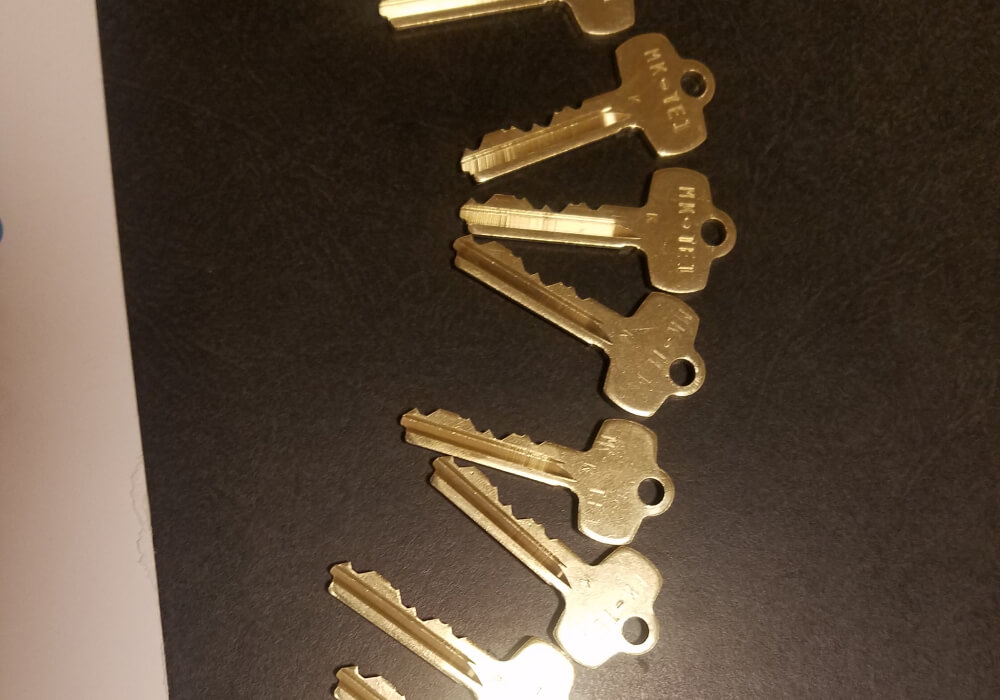
The questions that decide whether you need to rekey
A few facts tell you how serious a lost key is. Before calling anyone, sit down with your child and get as clear a picture as you can. Walking through the day step by step often helps a child remember.
- What was on the key with it: a tag with your address or house number, a name label, or a ring holding other keys changes the picture far more than a bare key does.
- What else went missing at the same time: school papers in a lost backpack can carry your name and address.
- Where it was probably lost: a key dropped on the school campus is a different situation from one lost at a bus stop on your own street.
- Whether it could have been taken: if there is a specific reason to believe someone took or kept the key, it deserves more caution than a key that simply fell out.
- Other keys on the same ring: a mailbox key, a grandparent’s house key or a neighbor’s spare on the same ring needs the same thinking, and whoever owns each lock should know it is missing.
- Which locks it opens: many homes have the front door, back door and garage entry door on the same key, and one door can have both a keyed knob and a deadbolt, so one lost key can mean several locks.
A bare key with nothing identifying on it, lost somewhere away from home, is a lower risk, though not no risk. If any answer connects the key to your address, treat it as a key that someone could use.
Where to look before you call anyone
Many lost keys turn up, so search promptly. If you believe the key was taken along with something showing your address, do not hold off on the locks while you search. The school front office usually keeps a lost and found, and the bus driver or the district transportation office often holds onto anything left on the seats.
If the lost key was the only copy for a back door or a shed, a locksmith can still cut a key without the original.
When it is reasonable not to rekey
Not every lost key needs a service call. Rekeying is a sensible precaution, but it is not automatically right for a key that cannot be tied to your home. In these situations, skipping it can be reasonable.
- The key had nothing identifying on it: a plain key found on a school field does not tell anyone which house it belongs to.
- It was lost somewhere far from home: a key dropped on a field trip or at a tournament across town is unlikely to be linked back to your door.
- You know roughly where it went: a key that fell through a storm drain or into a lake is gone, but it is not in anyone’s hands.
In these cases, a replacement key is usually all you need.
When rekeying is the sensible call
Some situations tip the decision the other way. Each of them connects the key to your address, or to someone who may know where you live. If the key may be in the hands of someone who knows your address, arrange rekeying promptly rather than waiting to see whether it turns up.
- The key had your address, house number or last name on it: these details can help someone connect the key to your home, especially alongside other information.
- The backpack was lost or taken with the key inside: school paperwork in the same bag often shows the home address.
- There is a reason to think someone took it: a key that may have been taken is a key whose location and possible use you cannot account for.
- It was lost close to home: a key dropped at the bus stop or on your own street could be picked up by someone who saw where your child walked.
When one of these applies, rekeying every lock that key operated is usually the right step. If you rent, contact your landlord or property manager before any lock work, and if the lost key opens a shared entry such as an apartment building door, the manager will need to handle that lock.
Expert tip:
Keep your address, your house number and your child’s full name off the key ring. A brightly colored key cover or a small keychain your child picked out makes the key easy to recognize and easy to describe to the school lost and found, without telling a stranger where it belongs.
What rekeying looks like for a family
Rekeying changes the lock cylinder so it accepts a new key and rejects the missing one, while suitable existing hardware stays on the door. Every cylinder the missing key operated needs to be considered, including a knob and a deadbolt on the same door. Locks that matched before can generally stay keyed alike. The price depends on how many cylinders are involved, and a residential locksmith can quote it once the locks are known. If the original key turns up after the rekey, it no longer opens those locks.
Making the next lost key a smaller problem
Children lose keys. Small things that ride in a backpack all day go missing, and no setup prevents that completely. A few changes at home can make the next lost key easier to handle, and it helps to know what each one does.
- A keypad deadbolt on the door your child uses: your child enters a code instead of carrying a key, and many models let you delete a single user code, though the steps depend on the model. Changing a code does not cancel a lost backup key, so that cylinder may still need rekeying. Keep fresh batteries in it and keep a backup way in.
- A key clipped inside the backpack, not hanging outside it: an inside zipper pocket with a clip keeps the key from falling out and keeps it out of sight.
- A spare with a trusted neighbor: someone a few doors down gives your child a way in on the day the key goes missing, without a key hidden outside.
What to do next
If your child’s key went missing along with something that shows where you live, or you cannot rule it out, rekeying the affected locks settles the question. TXP Locksmith rekeys locks, cuts replacement keys and installs keypad deadbolts. Call (800) 928-9129 and tell us how many locks the missing key operates and how many replacement keys your household needs.
Frequently Asked Questions
The key showed up a week later. Should I still rekey?
Rekeying is generally unnecessary if you can reasonably establish the key stayed in your possession, such as in a coat pocket. A key returned by the school office or a friend is not automatically compromised either. Where it was found, whether anything identifying was attached, and how long it was out of your hands are what decide it.
If we rekey, will everyone in the family need new keys?
Yes, everyone who uses the rekeyed doors needs the new key, including relatives, a babysitter or a neighbor holding a spare. Count them before the visit so the right number of keys is cut at the same time.
The garage door remote was on the same ring. Can a locksmith handle that?
The remote is paired to the garage door opener rather than to a lock. To remove the missing remote, follow the erase instructions for your specific opener model, then pair the remotes and keypads you still use, because erasing usually clears all of them. If the lost key also operates the door between the garage and the house, TXP Locksmith can include that lock in the rekey.
Is it safe to hide a spare key outside so my child is never locked out?
Mats, planters and fake rocks are the first places anyone checks, so a key hidden outside works against you. TXP Locksmith installs keypad deadbolts that still have a keyhole for the adults, which gives your child a way in without leaving a key anywhere.