
Why Does the Key Fob Unlock the Car but Not Start It?
TXP Locksmith Team
The doors unlock. The lights come on inside. Everything looks normal, right up until you press the start button and the engine does nothing.
Maybe the dash flashes a message saying the key is not detected. Maybe the engine cranks normally but never starts. Maybe you get nothing at all, just lights and silence. Maybe it started perfectly yesterday and today it will not.
This is frustrating, and worse when you are already late for something. The key clearly still works, because it just opened the door. Here is what is really going on, and what you can check yourself in the next few minutes.
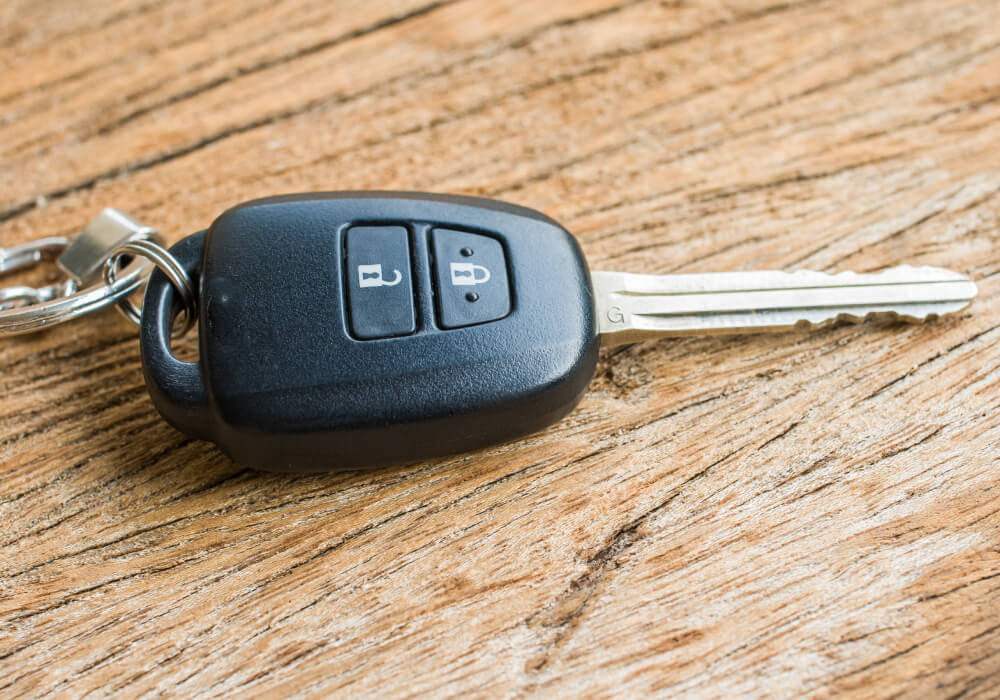
The car is checking two different things
Opening the doors and starting the engine are two separate checks, and one key can pass the first and fail the second. That is the whole reason this happens.
When you press the button on the fob, it sends a radio signal to the car. That signal only has to unlock a door, so the car will take it from across a parking lot.
Starting involves a separate security check. The car must recognize an electronic code from the key before it will allow the engine to start. In a traditional transponder key, that code comes from a small chip that does not rely on the remote battery. Push-button systems communicate with the fob differently, but the important point is the same: unlocking the doors and authorizing the engine are separate functions.
One more thing to know. Most fobs have a thin metal blade hidden inside for opening the door when the fob goes dead. That blade opens a lock and does nothing else, so getting the door open with it tells you nothing about why the car will not start.
Try this before anything else
If your vehicle has push-button start, check the owner’s manual for its backup starting position. On some vehicles, you hold the fob against the start button while pressing the brake. Others use a marked spot or backup slot in the console, armrest or steering column.
If the car starts using the correct backup position, the problem is often a weak fob battery or interference between the fob and the vehicle. If it still will not start, keep reading.
One thing worth avoiding. Pressing the start button over and over pulls power from the car battery every time, and you can end up with a dead battery on top of a key problem. Two or three tries tell you as much as twenty.
What the symptoms are telling you
Watch what the car does in the first second after you press start, because that is usually where the answer is. Notice whether the engine turns over at all, and whether it fails every time or only sometimes. Then find the line below that matches.
- The dash says no key detected: The car woke up, went looking for the key and did not find it. That points at the key or at the antenna that reads it, not at the engine.
- The engine turns over but never catches: This does not point to the key by itself. The anti-theft system may be rejecting the key, but fuel, ignition, battery voltage and engine-management problems can cause the same symptom. Look for a key warning or security message before blaming the key.
- Nothing happens at all, just dash lights and silence: Usually not a key problem. The brake pedal switch, the shifter position and the car battery are the first three things to look at.
- A key symbol or security light is flashing on the dash: The vehicle is having trouble recognizing or accepting the key. The cause may be the key, the reader or another part of the anti-theft system, so note exactly what the warning says.
- The fob only works when you are almost touching the car: The transmitter is weak, usually a weak or dead fob battery and sometimes a cracked board inside the case.
- It works some days and not others: On and off faults come from a broken solder joint, a chip that has worked loose inside the key head, or a weak battery.
Other things worth checking
The rest can be checked at the car in a few minutes. Work down the list in order, because the early ones are quick and they rule a lot out.
- Put it firmly in park, then try neutral: A shifter sitting slightly out of position stops the start every time. Push it fully into park, try again, then try neutral.
- Try your spare key: If the spare starts the car and the original does not, the problem probably follows the original key. If neither key works, the fault may be in the vehicle, although two damaged or unregistered keys are still possible.
- Check the car battery before you blame the key: A battery with enough left to run the locks and light up the dash can still be too weak to turn an engine. Dim headlights, a slow lazy crank or rapid clicking all point that way.
- Think about what happened to the key recently: Keys that went through a wash cycle, took a hard drop onto concrete, or had a cheap battery pushed in that does not seat properly all fail this way.
- Remember anything added to the car after you bought it: Some aftermarket alarms and remote-start systems connect to the starter or ignition circuits. A failed module, damaged connection or installation fault can prevent the vehicle from starting.
When it is the key, and when it is the car
If the spare starts the car and the original does not, the problem probably follows the original key. The chip inside can crack. A solder joint can break. Key heads that have hit the pavement hard often lose contact with the chip. A key in that state can keep unlocking doors for months while refusing to start the engine.
If neither key starts it, the problem is more likely to be in the vehicle. The antenna ring around the ignition can fail, and wiring behind the steering column can rub through. A new key fixes none of that.
Expert Tip
If the car does start, think about where you park it next. A car that started once on a failing key may not start again, and that is easier to deal with at home or at work than in a parking lot after dark.
If you have no second key to test with, a locksmith can still make one without the original. If the key has failed rather than the car, what happens next depends on the type of key your vehicle uses.
What to do next
If you have tried all of this and the car still will not start, an automotive locksmith can connect diagnostic equipment, check whether the vehicle recognizes the key and narrow down whether the fault is in the key or the vehicle. TXP Locksmith works on car keys and anti-theft faults across Texas. Call (800) 928-9129 and tell us what the dash is doing and whether the engine turns over, because that information helps us decide what equipment may be needed.
Frequently Asked Questions
The lights, radio and door locks all work. Does that mean the battery is fine?
No, and this is one of the most common wrong turns. Locks, lights and the radio pull a small amount of current, while a starter motor pulls many times more. A battery can read normally at rest and still collapse the moment the starter draws on it. It has to be tested under load to show the fault, which is one of the first things TXP Locksmith rules out before looking at the key at all.
The car stopped recognizing my key after the battery died. What happened?
Low voltage can interfere with the car’s electronics and make a key-recognition problem appear at the same time as the battery failure. That does not automatically mean the stored key information has been erased. Start by testing and restoring the vehicle battery, then check whether the security warning remains before programming another key.
The steering wheel feels locked and the engine will not turn over. Is that the same problem?
Usually not. On a vehicle with a mechanical ignition, pressure against the steering lock can prevent the key from turning. Apply light pressure to the wheel in each direction while gently turning the key. Do not force either one. Push-button vehicles use different steering-lock systems, so follow the dashboard message or the procedure in the owner’s manual.
Can an aftermarket alarm or remote starter stop the car from starting?
It can. Some aftermarket alarms and remote-start systems connect to the starter or ignition circuits. A failed module, damaged connection or installation fault can prevent the car from starting even though the factory locks still work. If the problem began after accessory work or electrical repairs, mention that when TXP Locksmith checks the vehicle.